News : Winner of the Trends Impact Award 2025 for Circular Economy – Category SME / / Our Panko is now available at Ramaut and Comptoir des Fagnes

News : Winner of the Trends Impact Award 2025 for Circular Economy – Category SME / / Our Panko is now available at Ramaut and Comptoir des Fagnes

News : Winner of the Trends Impact Award 2025 for Circular Economy – Category SME / / Our Panko is now available at Ramaut and Comptoir des Fagnes

News : Winner of the Trends Impact Award 2025 for Circular Economy – Category SME / / Our Panko is now available at Ramaut and Comptoir des Fagnes

News : Winner of the Trends Impact Award 2025 for Circular Economy – Category SME / / Our Panko is now available at Ramaut and Comptoir des Fagnes

News : Winner of the Trends Impact Award 2025 for Circular Economy – Category SME / / Our Panko is now available at Ramaut and Comptoir des Fagnes

News : Winner of the Trends Impact Award 2025 for Circular Economy – Category SME / / Our Panko is now available at Ramaut and Comptoir des Fagnes

News : Winner of the Trends Impact Award 2025 for Circular Economy – Category SME / / Our Panko is now available at Ramaut and Comptoir des Fagnes

News : Winner of the Trends Impact Award 2025 for Circular Economy – Category SME / / Our Panko is now available at Ramaut and Comptoir des Fagnes

→   Resource efficiency

Our model reduces the use of raw materials and energy throughout the chain.

Conventional breadcrumbs

involve the creation

of bread

specifically intended

to be processed

into breadcrumbs.

The breadcrumbs

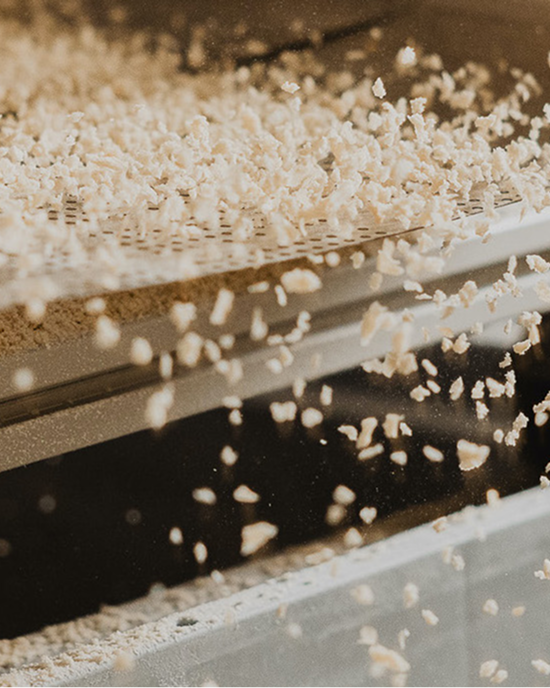
are then dried

and ground into

fine particles.

At the same time, much of this breadcrumb travels thousands of kilometres from Asia and the United States before arriving on Belgian production lines.


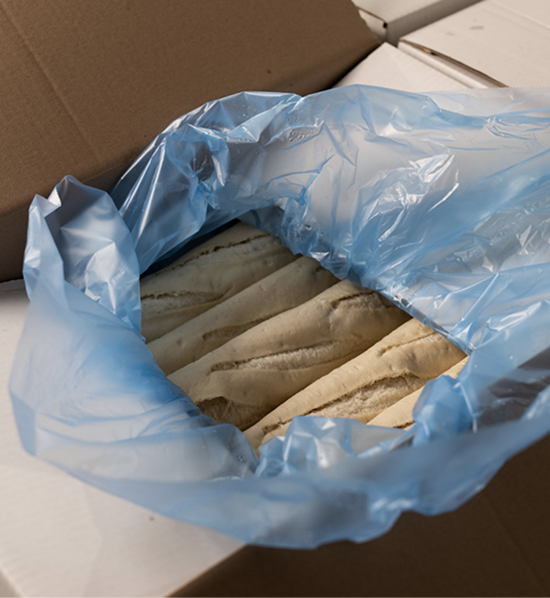
Our circular supply chain avoids baking new bread for conventional breadcrumbs by replacing it with surplus products. By reusing bread that has already been baked, we reduce pressure on natural resources: fewer raw materials need to be produced, meaning less water is used to grow wheat, less land is used and fewer resources are consumed throughout the chain (agricultural inputs, milling, transport).
Our impact as at 31 December 2025
Reference data (sources: ADEME, FAO, CIHEAM, ECOINVENT)
70.5T

≈ 70.5 tonnes of unconsumed soft wheat

Our future objectives
-50%

50% reduction in emissions over the next 18 months:

Reducing our electricity consumption, cutting down on mileage, recycling bread packaging and improving dryer productivity.

-50%
Water saving
1.5M hL

≈ 1,504,000 hL of water saved

1.5M hL
Space saving
26ha

≈ 26 hectares of arable land freed up

26ha
Cela pourrait vous intéresser
We use cookies to make you experience on this website better.
Know more